
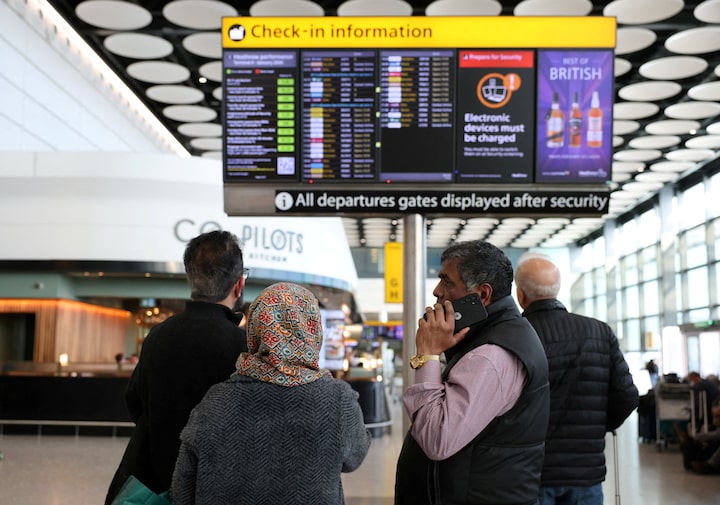
Passenger traffic at Heathrow Airport fell sharply in April 2026 as the ongoing Iran conflict disrupted global air travel routes, particularly affecting connections between Europe and the Middle East.
According to airport data, Heathrow handled about 6.7 million passengers during the month, a 5% decline compared to April 2025. The steepest drop was recorded in traffic between the UK and the Middle East, which plunged more than 50% year-on-year due to airspace disruptions and rerouted flight paths.
Despite the overall decline, Heathrow saw a notable increase in transfer passengers, suggesting that the airport benefited from rerouted traffic as other major hubs, including Dubai, faced operational challenges. The airport recorded a 10% rise in connecting travellers, with more passengers transiting through London to reach Asia and Oceania.
At the same time, Dubai International Airport also reported major disruptions earlier in the year, including a significant drop in traffic linked to regional airspace closures. However, authorities say operations are now stabilising as restrictions ease and airlines gradually restore schedules.
Heathrow officials said the decline reflects short-term volatility linked to geopolitical tensions, while underlying demand for international travel remains strong. However, they warned that continued instability in the Middle East could affect full-year forecasts.
The airport had previously projected modest growth for 2026, but those estimates are now under review as airlines adjust routes and fuel costs remain elevated due to global uncertainty.
Analysts note that while Europe–Middle East travel has been the most affected segment, routes involving Africa and Asia have shown resilience, helping to offset some of the losses in passenger volumes.
Industry observers say the situation highlights how geopolitical conflicts can rapidly reshape global aviation flows, shifting traffic between major international hubs and testing the resilience of airport infrastructure worldwide.


