
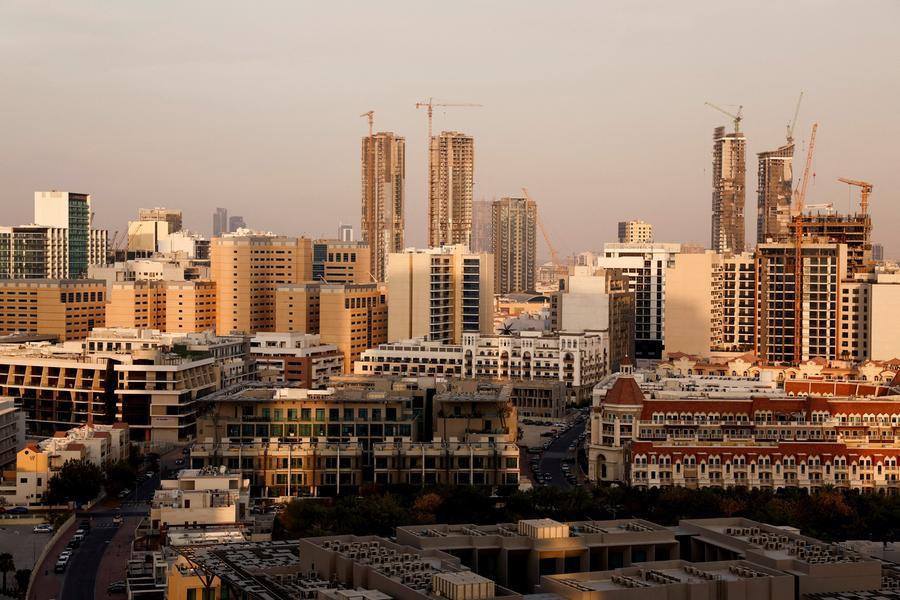
Dubai’s property sector recorded a strong recovery in April 2026, with total real estate transactions rising 20% month-on-month to AED68.6 billion ($18.68 billion), according to a new market report.
The rebound signals the first clear recovery after a temporary slowdown in February, which was largely driven by regional geopolitical concerns. Analysts say the latest figures suggest the previous dip was mainly sentiment-driven rather than caused by structural weakness in the market.
A total of 18,847 transactions were registered during the month, reflecting renewed activity across both cash and mortgage segments.
Mortgage transactions surged 33.5% to AED14.52 billion, while cash sales increased 13.5% to AED48.34 billion, highlighting sustained investor confidence in the sector.
Off-plan properties continued to dominate market activity, accounting for over 70% of total market share. Off-plan apartment sales alone reached their highest monthly level of 2026 at AED19.7 billion.
Industry experts say the recovery is being driven by demand for new developments, particularly in mid-market and luxury segments, alongside strong developer pipelines.
Luxury property activity also hit a record high, with transactions above AED10 million reaching 995 deals, representing nearly 6% of the total market. Demand was boosted by major projects such as Palm Jebel Ali and Aman Residences.
At the same time, rental prices showed early signs of cooling, with Dubai’s citywide rental index falling 1.26% month-on-month — the first decline in the current cycle. This also led to a slight compression in average gross rental yields to 6.62%.
However, the secondary market remained under pressure, with resale volumes dropping 43% year-on-year, suggesting a growing divide between new developments and existing properties.
Market performance varied across communities, with mid-market areas like Jumeirah Golf Estates Apartments and Dubai South recording gains, while ultra-prime locations such as Emirates Hills and Jumeirah Bay Island saw price corrections amid ongoing market adjustments.


