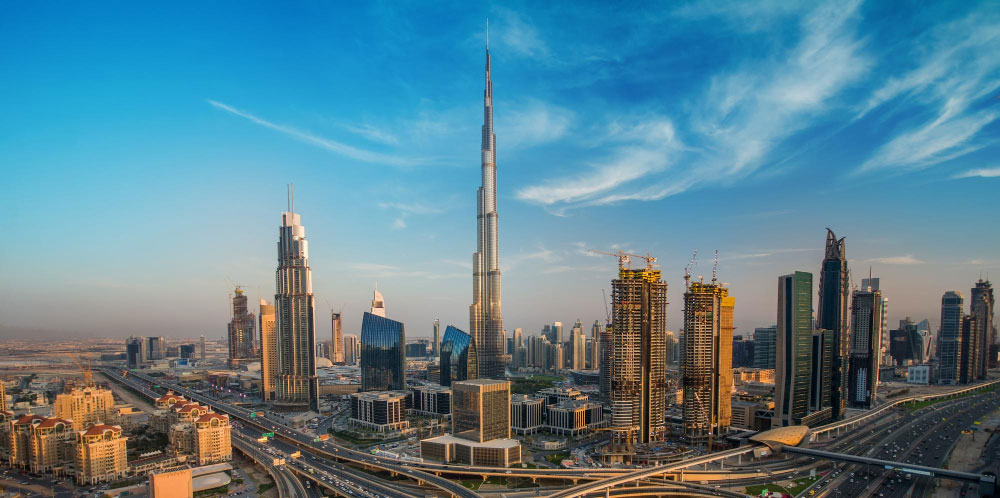
Dubai’s real estate market is undergoing a notable shift, with property values increasingly influenced by connectivity rather than location alone. A new report highlights how access to metro infrastructure is now playing a central role in shaping demand, pricing, and development patterns across the city.
Properties located near Dubai’s metro network have recorded price increases of more than 26%, reflecting growing demand for areas with shorter commute times and improved access to commercial hubs. This trend is also reshaping investment decisions, as accessibility becomes a major factor in determining returns and long-term value.
Infrastructure Driving Urban Expansion
Unlike earlier phases of development that followed infrastructure growth, current expansion in Dubai is increasingly being designed around transit corridors. New residential and commercial communities are emerging as extensions of existing urban zones rather than isolated developments.
This approach is helping to reduce fragmentation in the property market while encouraging more integrated urban planning. Developers are now aligning projects more closely with transport infrastructure, improving feasibility in areas that were previously less attractive due to connectivity challenges.
Increased Development Activity Along Metro Lines
Areas linked to the metro network are witnessing a rise in construction activity, including higher-density and mixed-use developments. Improved transport access has made these locations more commercially viable, attracting both residential and business investments.
The improved alignment between infrastructure rollout and real estate development is also helping to speed up project delivery and reduce uncertainty in planning across housing, retail, and commercial sectors.
Dubai’s metro system, which has carried billions of passengers since its launch in 2009, continues to play a major role in shaping mobility patterns and influencing where people choose to live and work.
Emerging Economic Clusters
As commuting becomes easier, demand for housing is spreading across more districts, reducing pressure on traditional high-density areas. At the same time, businesses are increasingly setting up along transit routes, boosting retail and service activity in those zones.
Over time, this is leading to the formation of localized economic clusters where residential and commercial growth support each other. These clusters are helping to distribute economic activity more evenly across the city.
Outlook
With further metro expansion planned, connectivity is expected to remain a major driver of Dubai’s property market. Analysts suggest that continued alignment between transport infrastructure and real estate development could support sustained growth across multiple districts.
Overall, the market is shifting toward a model where accessibility is becoming just as important as location in determining property value and investment potential.