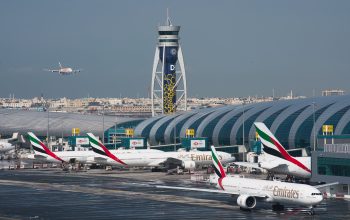
Dubai’s population is on the brink of crossing the four million mark, a milestone that underscores the emirate’s explosive growth and its transformation into one of the world’s fastest-expanding urban hubs.
According to the latest figures released by Dubai Statistics Center, the city’s resident population has nearly doubled over the past 15 years, driven by a surge in expatriate workers, entrepreneurs, and families drawn to the emirate’s business opportunities and high standard of living.
Officials say the city’s population stood at just over two million in 2009, but consistent inflows of foreign talent and rapid infrastructure development have propelled the figure to nearly four million today. On weekdays, when commuters from neighboring emirates enter the city, the number of people living and working in Dubai rises even higher.
“This is a landmark moment for Dubai and reflects the emirate’s success in attracting global talent and investment,” said Younis Al Nasser, CEO of the Dubai Data and Statistics Establishment. “The challenge now is ensuring that services, housing, and infrastructure keep pace with this growth.”
The expansion has reshaped nearly every aspect of life in the city. New residential communities, schools, hospitals, and transport systems have been rolled out to meet rising demand, while Dubai Metro and an expanding road network have eased pressure on mobility. Authorities are also investing heavily in renewable energy, water security, and digital infrastructure to prepare for future needs.
Urban planners warn, however, that sustaining this momentum will require careful management. “Rapid growth comes with pressure on housing affordability, environmental sustainability, and public services,” noted Dr. Fatima Al Hammadi, an urban development expert at UAE University. “Dubai must strike a balance between ambition and resilience.”
Despite these challenges, Dubai continues to market itself as a global city of opportunity, attracting professionals from finance, technology, tourism, and creative industries. Government initiatives, including long-term residency visas and programs to support start-ups, have also been credited with fueling population growth.
For many residents, the city’s evolution has been striking. “When I first arrived in 2008, Dubai felt like a booming but small city,” said Arjun Mehta, an Indian entrepreneur. “Today, it feels like a global metropolis bigger, faster, and more connected than ever.”
With projections indicating continued growth, officials say the four million milestone is not the end but a stepping stone in Dubai’s broader vision. Under the Dubai 2040 Urban Master Plan, the emirate aims to accommodate even more residents while improving quality of life and sustainability.
As Dubai edges closer to the symbolic figure, its story remains one of transformation: a desert trading port turned into a world-class metropolis in less than a generation, and now a city of four million and counting.