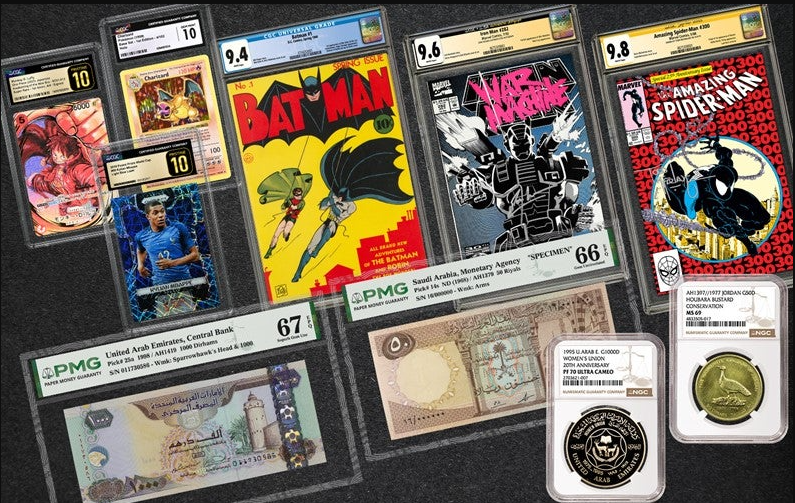
What began as a quirky nod to pop culture has evolved into a billion-dollar empire. From screen to shelf, what started as a niche passion for nostalgia is now dominating the global collectibles market turning heads in both business and culture.
At the center of this transformation is Funko Inc., the company best known for its wide-eyed vinyl figures that immortalize everything from blockbuster superheroes to cult-favorite sitcom characters. But in the past decade, Funko and its rivals have shifted gears moving from novelty producers to serious players in the premium collectibles and licensed merchandise arena.
The Birth of a Movement
Back in the early 2000s, when digital media consumption was rising and physical merchandise seemed doomed to decline, few predicted the explosion of pop culture collectibles. But nostalgia, it turns out, is a resilient market force.
“Pop culture became personal,” says Dr. Emily Chan, cultural historian at NYU. “People wanted to own a piece of the shows, movies, and icons that shaped them not just stream them.”
With social media and fan-driven platforms like Reddit, Etsy, and YouTube, collectors found community, and brands found gold.
Funko’s Rise and the Changing Landscape
Funko’s breakthrough came in 2010 with the launch of its Pop! Vinyl line. With minimalistic designs and an almost limitless license portfolio from Star Wars to The Office the company carved out a space that combined affordability, fandom, and shelf appeal.
But today’s collectible culture isn’t just about cute figurines. The market has grown more sophisticated.
“We’ve moved into limited editions, luxury drops, NFTs, and crossover collabs,” says Brian Mariotti, former CEO and now creative advisor to Funko. “Collectors want rarity, story, and connection.”
Funko has recently partnered with fashion brands, high-end artists, and even launched exclusive “Con Only” products that resell for thousands of dollars online. Meanwhile, brands like Hasbro, Mattel, and independent studios are entering the collectibles game with upscale replicas, retro reissues, and multimedia tie-ins.
Beyond Toys: The Business of Memory
What’s driving this market surge? In part, it’s millennials and Gen Z — generations that came of age in the golden era of cartoons, comic books, and early internet fandoms.
A 2024 Deloitte report found that the global collectibles market, including action figures, memorabilia, trading cards, and digital assets, topped $42 billion last year, with projections pointing to $58 billion by 2027.
Streaming services and IP holders are taking note. Disney, Warner Bros., Netflix, and even gaming giants like Nintendo are expanding into curated merchandise experiences — often tied directly to streaming content launches.
“Merch is no longer secondary,” says analyst Ryan Koenig of Collector Capital. “In many cases, it’s driving story development and fan engagement.”
The Cultural Impact
More than just business, this movement reflects a cultural shift — a celebration of individual identity through fandom. Whether it’s an 80s kid flaunting their Ghostbusters proton pack or a teen flexing a limited-edition Demon Slayer figure, collectibles are becoming personal, social, and even political expressions.
Artists, too, are embracing the format. Designer toys, urban vinyls, and street art-inspired collectibles are being featured in galleries from Tokyo to London.
What’s Next?
From pop-up stores in SoHo to live drops at San Diego Comic-Con, the future of collectibles is experiential. With the rise of augmented reality, blockchain authentication, and AI-generated designs, the lines between media, merchandise, and memory are blurring faster than ever.
“In a world where everything is digital,” says Chan, “owning something real even if it’s a tiny figurine is revolutionary.