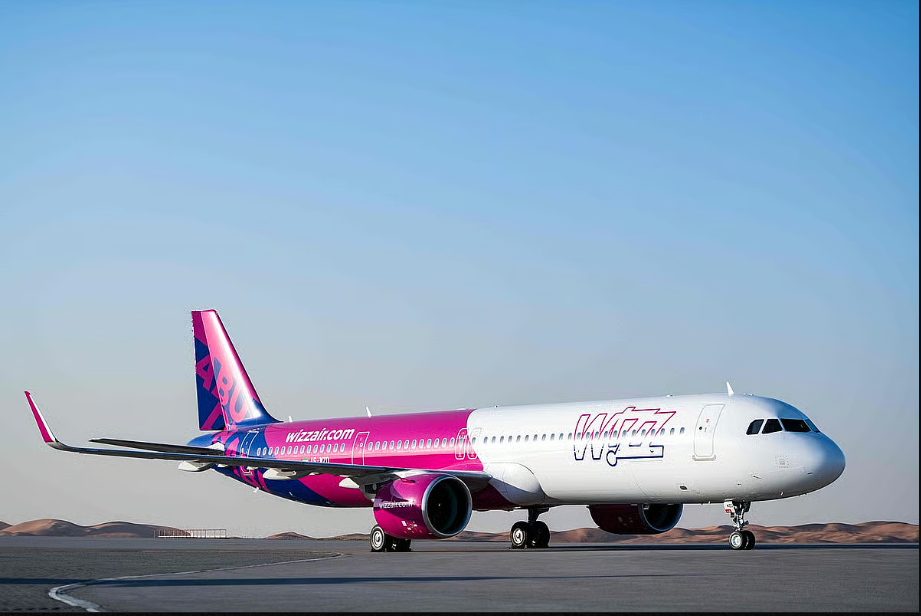
Citing “supply chain constraints, geopolitical instability, and limited market access in the Middle East,” CEO Jozsef Varadi described the decision as a necessary but tough step. The airline intends to refocus on its key strongholds in Central and Eastern Europe, as well as established markets such as Austria, Italy, and the United Kingdom
- Persistent disruptions: Wizz Air Abu Dhabi had already been dealing with engine-related setbacks grounding around 20% of its Airbus A320neo fleet and suspension of popular routes across Eastern Europe, the Balkans, and Central Asia this summer
- Fleet and logistical pressure: The joint venture’s expansion peaking in 2024 with 3.5 million passengers and 20% year-over-year growth began straining under delivery delays, engine shortages, and the operational demands of serving distant, high-stress environments .
- Shifting priorities: Wizz Air Abu Dhabi was originally built for rapid growth, targeting 50 aircraft within a few years. Now, facing groundings and tighter capacity, the company must reallocate its resources more judiciously.
Impacts on the Market
- Route cancellations: Flights to and from Abu Dhabi to key cities in the Balkans such as Belgrade, Sarajevo, Tirana and other Eastern European destinations have already been suspended, disrupting travel patterns.
- Opportunity for competitors: Etihad Airways, Flydubai, Air Arabia, and various European low-cost carriers are expected to step in to fill the void, though travelers may face higher costs or less direct service.
- Abu Dhabi’s aviation landscape: The exit signals a setback to the emirate’s vision of building a major low-cost aviation hub a vision once championed by Wizz Air Abu Dhabi’s rapid expansion and partnership with ADQ.
- Back to the heart of Europe: The airline will divert its focus to its strongest regions especially Central and Eastern Europe—where operations are more efficient and predictable
- Optimize fleet health: Scaling back in “hot and harsh” operating environments aligns with Wizz Air’s efforts to protect a fragile, engine-dependent fleet and maintain reliable services elsewhere.
- Building resilience: As Varadi stated, while the decision was difficult, it’s “the right one given the circumstances,” allowing Wizz Air to consolidate, recalibrate, and ensure long-term viability.
September 2025 marks the cessation of Wizz Air Abu Dhabi’s local operations, raising questions for travelers planning autumn and winter trips. Passenger refunds, rebooking options, and alternative carriers should be clarified by the airline in the coming weeks.
Meanwhile, Abu Dhabi’s aviation strategy may pivot toward reinforcing partnerships with remaining low-cost carriers like Air Arabia Abu Dhabi and Etihad’s own regional services. The government-backed ambitions for a broader low-cost platform will need reassessment.
Wizz Air’s strategic retreat underscores the growing complexity of low-cost aviation in the Middle East. From rapid growth to route suspensions and now a full operational exit, the flight path reflects both ambition and adaptation in a volatile global environment